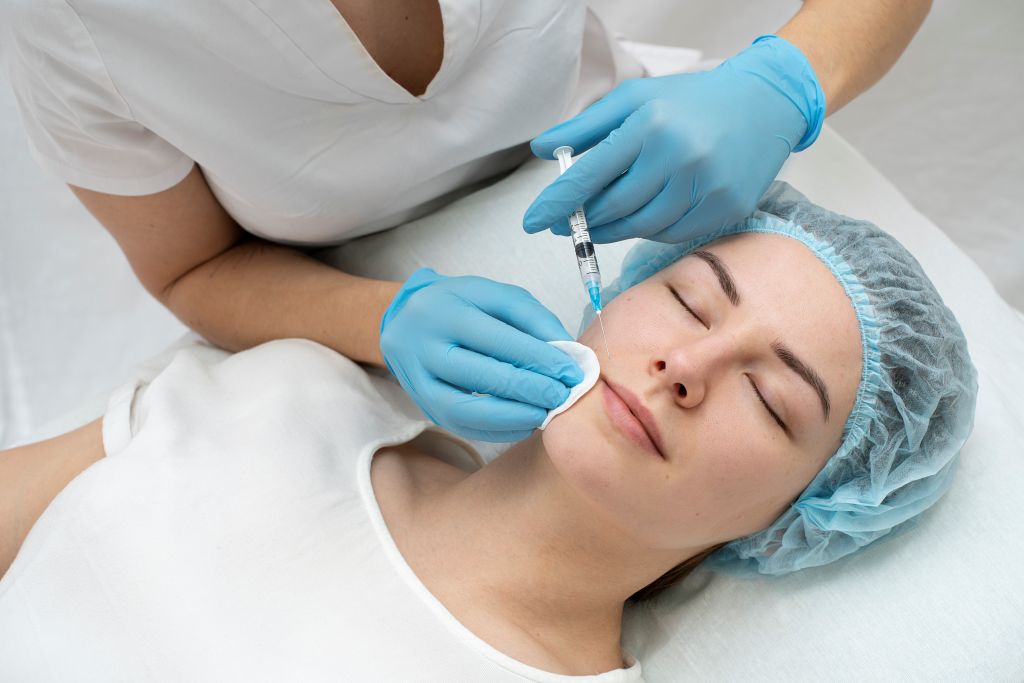

When people hear the word Botox, they often think about forehead lines or crow’s feet around the eyes. But Botox can treat several facial areas, and the reason for treatment isn’t always to look younger. Some people want to soften a specific expression line, while others want a more rested appearance without changing the features that make their face recognizable.
The key is understanding what Botox can realistically do, where it can be used, and why the same treatment doesn’t work the same way for everyone. In this blog, we will explore Botox for different facial areas, including the forehead, area between the eyebrows, eyes, nose, lips, chin, jawline, and neck. We will also discuss what Botox can and cannot treat, what factors affect the result, and how to decide whether it is appropriate for a particular concern.
What is Botox and How Does It Work?
Botox is a purified form of botulinum toxin type A. When injected into a specific muscle, it temporarily reduces the muscle activity responsible for certain facial movements.
Repeated movements such as smiling, squinting, or raising the eyebrows can contribute to dynamic wrinkles. By reducing excessive muscle activity in carefully selected areas, Botox can help soften the appearance of these lines.
Botox does not add volume or permanently remove wrinkles. Careful placement is important because too much product or incorrect placement can affect facial movement. A suitable treatment plan considers facial structure, muscle activity, skin condition, and individual goals.
Botox for Different Facial Areas: Where Can It Be Used?
The face has many small muscles that work together when we smile, frown, squint, talk, and make other expressions. Since each area has a different function, Botox treatment needs to be tailored to the specific facial area and concern.
1. Forehead Lines
Forehead lines commonly appear from repeatedly raising the eyebrows. Botox can reduce the muscle activity that contributes to these lines while helping preserve natural facial expression.
A suitable treatment considers:
- Existing eyebrow position
- Facial structure
- Muscle strength
- Desired level of movement
2. Frown Lines Between the Eyebrows
Vertical lines between the eyebrows, known as the glabellar region, can develop from repeated frowning, concentrating, or squinting. They may make someone look tired or concerned even when they are not.
People considering Botox treatments in Dallas should discuss their facial movement patterns and aesthetic goals with a qualified medical professional rather than assuming the same injection approach works for everyone.
3. Crow’s Feet Around the Eyes
Crow’s feet are lines that appear at the outer corners of the eyes, particularly when smiling or squinting. Because this area contains delicate muscles, precise treatment is important.
Botox may help soften dynamic lines while maintaining natural expression. However, concerns related to:
- Skin texture
- Dryness
- Pigmentation
- Loss of volume
may require a different approach.
4. Bunny Lines Around the Nose
Bunny lines are small horizontal or diagonal lines that can appear along the sides of the nose when smiling or wrinkling the nose.
In selected cases, Botox may reduce the muscle activity responsible for these lines. Treatment should be conservative because the surrounding muscles also contribute to normal facial movement.
5. Lip Lines and Lip Area
The muscles around the mouth are constantly active during talking, smiling, eating, and drinking. Small amounts of Botox may sometimes be used for specific muscle activity around the lips.
However, this area requires extra care because excessive treatment may affect:
- Smiling
- Speaking
- Drinking through a straw
- Natural mouth movement
The cause and location of the lines should always be evaluated before treatment.
6. Chin Dimpling
Chin dimpling can occur when the mentalis muscle is particularly active. Botox may relax this muscle and create a smoother appearance in appropriate candidates.
If the concern is mainly related to structural changes or volume loss, another treatment may be more suitable.
7. Jawline and Masseter Area
The masseter muscles are large muscles involved in chewing. When they are particularly active or enlarged, Botox may reduce their activity and make the lower face appear less prominent.
Treatment planning may consider:
- Muscle size
- Facial proportions
- Bite function
- Jaw clenching or muscle tension
- The individual’s treatment goals
8. Neck and Lower Face
Certain neck muscles can contribute to visible vertical bands or downward pulling around the lower face. In selected cases, Botox may help reduce this muscle activity.
Because these muscles are involved in important functions such as smiling, speaking, and swallowing, treatment should be conservative and based on individual facial and neck anatomy.
How Long Does Botox Take to Work?
Botox does not usually produce its complete effect immediately after the appointment. Changes develop gradually as the treated muscles respond.
The timing can vary from person to person. Factors such as the treated area, amount used, individual muscle activity, and previous treatment history can influence the outcome.
Understanding the timeline of Botox can help people avoid judging the final result too quickly.
It is also worth remembering that Botox is temporary. Muscle activity gradually returns as the effect wears off, which means maintenance treatments may be considered by people who want to continue the result.
What Factors Affect a Natural-Looking Result?
A natural result is not simply about using less Botox. Several factors can influence how the face looks after treatment.
1. Facial Anatomy
Everyone has different muscle strength, eyebrow position, facial proportions, and patterns of expression. Treatment should reflect these differences.
2. Injection Placement
Small changes in injection placement can affect how a muscle responds. Precision is especially important around the eyes, eyebrows, mouth, and lower face.
3. Amount Used
More product does not necessarily create a better outcome. The appropriate amount depends on the area and the person’s individual muscle activity.
4. Treatment Goals
Someone who wants to soften a line may have a different treatment plan from someone who wants to address strong muscle activity in the jaw area.
5. Provider Knowledge
Botox is a medical treatment, so understanding facial anatomy matters. A qualified professional should evaluate the area before recommending treatment.
What Should You Ask Before Getting Botox?
Before treatment, asking the right questions can help you make a more informed decision.
Consider asking:
- What is causing the concern I want to treat?
- Is Botox appropriate for this particular issue?
- Which facial muscles will be treated?
- What kind of result should we realistically expect?
- How long is the expected effect likely to last?
- Are there alternatives that may be better suited to my concern?
- What temporary effects or risks should I know about?
These questions can help shift the conversation away from simply asking for Botox and toward choosing the right treatment for the actual concern.
Botox and Other Facial Treatments
A person’s skin concerns rarely fit into one category. Someone may have expression lines along with uneven skin texture, pigmentation, dryness, or loss of volume.
That is why facial treatments should be considered based on the specific concern rather than following a one-treatment-fits-all approach.
For example, Botox may help with certain movement-related wrinkles, while skincare, resurfacing procedures, chemical peels, laser treatments, or dermal fillers may be considered for other concerns.
The goal should always be to identify what is actually causing the visible change before selecting a treatment.
Common Mistakes People Make With Botox
Avoiding these common mistakes can help you make more informed treatment decisions.
- Treating Every Line With Botox: Not every wrinkle is caused by muscle movement, so identifying the cause is important.
- Expecting Immediate Results: Botox takes time to show its full effect, so avoid judging the result too quickly.
- Choosing Based Only on Price: Consider qualifications, safety, treatment planning, and overall care, not just cost.
- Copying Someone Else’s Treatment: Facial anatomy differs from person to person, so treatment should be personalized.
- Removing Too Much Facial Movement: The goal is usually to soften unwanted lines while keeping natural facial expressions.
Interesting read: Botox Treatment vs Dermal Fillers: Which Is Right for You?
Botox for Different Facial Areas: What Should You Remember?
There is no single Botox treatment that works identically for every facial concern. The forehead, eyebrows, eye area, nose, lips, chin, jaw, and neck all have different muscles and require different considerations.
The most useful way to think about Botox for different facial areas is to first identify the source of the concern. If muscle movement is contributing to a wrinkle or facial feature, Botox may be an option. If the issue is related to volume loss, skin texture, pigmentation, or another factor, a different treatment may be more appropriate.
Good results are not about making the face look completely different. They are about understanding facial anatomy, choosing the appropriate treatment, and maintaining realistic expectations.
MyFitMed: Personalized Approach to Aesthetic and Wellness Care
At MyFitMed, we believe aesthetic decisions should be based on individual goals rather than trends or a one-size-fits-all approach. Understanding what is causing a particular facial concern is an important part of deciding whether Botox or another treatment may be appropriate.
Our approach helps patients understand their options and make informed decisions based on:
- Facial features and individual concerns
- Desired treatment outcomes
- Overall health considerations
- The most appropriate treatment approach
Botox can be one part of a broader aesthetic plan, but it is not suitable for every concern. A thoughtful consultation can help determine whether Botox is appropriate and which facial areas may benefit from treatment.
Conclusion
Botox is not simply about treating wrinkles wherever they appear. Different facial areas have different muscles, movement patterns, and treatment considerations. From forehead lines and crow’s feet to chin dimpling and certain jaw concerns, the right approach starts with understanding what is actually causing the change rather than treating every visible line in the same way.
Choosing Botox for different facial areas should also involve realistic expectations. The goal is usually to soften unwanted muscle-related lines while keeping the face expressive and natural. A qualified medical professional can assess your facial anatomy, discuss your concerns, and help determine whether Botox or another treatment would make more sense for your specific needs.
FAQs
1. What facial areas can Botox treat?
Botox may be used for areas such as the forehead, between the eyebrows, around the eyes, nose, chin, jaw, and selected areas of the neck. The appropriate areas depend on individual anatomy and treatment goals.
2. Does Botox remove wrinkles permanently?
No. Botox temporarily reduces muscle activity that contributes to certain dynamic wrinkles. As muscle activity returns, treated lines may gradually become more visible again.
3. Can Botox treat lines around the lips?
In selected cases, Botox may be used around the mouth to address specific muscle activity. Because these muscles are important for speaking and other functions, treatment requires careful planning.
4. Is Botox the same as dermal filler?
No. Botox reduces targeted muscle activity, while dermal fillers add volume or restore fullness in selected areas. The appropriate option depends on the cause of the concern.
5. How do I know if Botox is right for me?
A consultation with a qualified medical professional can help determine whether muscle activity is contributing to the concern and whether Botox is an appropriate treatment option.
6. Can Botox be used on multiple facial areas at once?
Yes, Botox may be used in multiple areas during the same treatment plan when appropriate. The areas and amount used should be determined based on facial anatomy and individual goals.
7. What is the best age to get Botox?
There is no single best age for Botox. Suitability depends more on individual concerns, facial muscle activity, skin condition, and treatment goals than on age alone.