
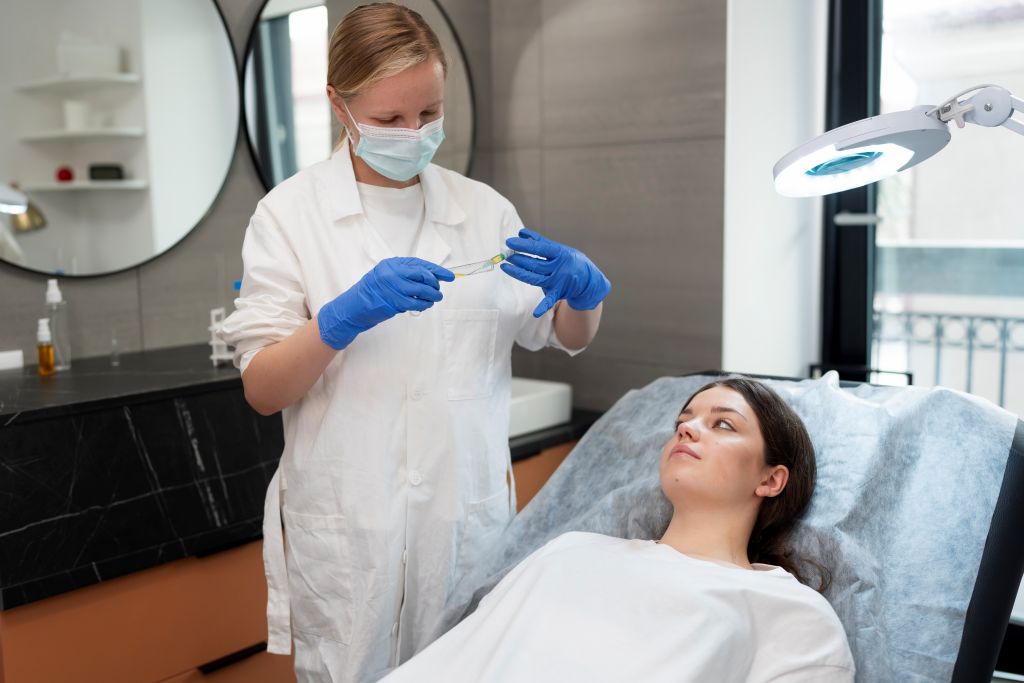
In today’s advanced skincare landscape, chemical peels have become one of the most sought-after treatments for achieving smoother, clearer, and more youthful-looking skin. A well-executed chemical peel treatment can effectively address common concerns such as acne, uneven tone, pigmentation, and fine lines.
We understand that choosing the right treatment requires clarity and confidence. This comprehensive guide explains everything you need to know—from how a chemical face peel works to what results you can realistically expect and how to maintain them safely.
What Are Chemical Peels?
A chemical peel treatment is a dermatological procedure designed to exfoliate and renew the skin. The process involves applying a controlled chemical solution to remove damaged outer layers, allowing healthier, fresher skin to emerge.
These treatments commonly use scientifically validated ingredients such as:
- Alpha Hydroxy Acids (AHAs) – Ideal for surface-level exfoliation and brightening
- Beta Hydroxy Acids (BHAs) – Penetrate deeper to unclog pores and treat acne
- Trichloroacetic Acid (TCA) – Used in medium to deep peels for more intensive resurfacing
The goal is not just exfoliation but accelerated skin cell turnover, which improves texture, tone, and overall skin health when performed by trained professionals.
Types of Chemical Peels
a. Superficial (Light) Peels
Light chemical peels treatment targets only the outermost layer of the skin (epidermis). These are ideal for:
- Mild discoloration
- Dull or rough skin
- Minor acne
They involve minimal downtime and are often recommended for routine maintenance.
b. Medium Peels
A medium chemical skin peel penetrates deeper into the skin layers, making it effective for:
- Acne scars
- Hyperpigmentation
- Uneven skin tone
This type requires a few days of recovery but delivers more noticeable results compared to superficial peels.
c. Deep Peels
Deep peels are advanced treatments designed to address:
- Deep wrinkles
- Severe sun damage
- Advanced pigmentation issues
They provide dramatic, long-lasting improvements but require significant downtime and must always be performed under strict medical supervision.
Benefits of Chemical Peels
The clinically proven benefits of chemical peels make them a trusted option for skin rejuvenation. When performed by trained professionals, they offer:
- Improved skin texture and tone
- Reduction in acne and acne scars
- Minimized fine lines and wrinkles
- Brighter, more even complexion
- Stimulated collagen production for firmer skin
These outcomes are not superficial; they reflect genuine skin renewal at a cellular level.
Who Is a Good Candidate for Chemical Peels?
We recommend chemical peel treatment for individuals experiencing:
- Acne or acne scars
- Sun damage or pigmentation
- Fine lines or early aging signs
- Uneven skin texture
However, not everyone is an ideal candidate. You should avoid treatment if you have:
- Active skin infections
- Open wounds or irritation
- Extremely sensitive or reactive skin
A consultation with a licensed skincare professional is essential to ensure safety and optimal results.
Chemical Peels Treatment Process
A professional chemical peel treatment follows a structured, clinically safe approach:
- Skin Consultation
We assess your skin type, concerns, and treatment goals. - Cleansing and Preparation
The skin is thoroughly cleansed to remove impurities and oils. - Application of Chemical Solution
A carefully selected solution is applied evenly across the skin. - Controlled Reaction Phase
The solution works to exfoliate and break down damaged skin layers. - Neutralization or Removal
The peel is neutralized or removed to stop the chemical reaction. - Post-Treatment Care
Hydrating and soothing products are applied to support recovery.
What to Expect After Chemical Peels Treatment
Understanding the recovery timeline helps set realistic expectations for chemical face peel recovery.
Immediately After Treatment
- Mild redness
- Slight tingling or irritation
Days 1–3
- Tightness and dryness
- Skin may feel sensitive.
Days 3–7
- Visible peeling or flaking
- Shedding of damaged skin
After 1 Week+
- Noticeably smoother and brighter skin
- Improved tone and clarity
Recovery varies depending on the depth of the peel, but results progressively improve as the skin heals.
Chemical Peel Aftercare Tips
Proper aftercare is critical to maximize results and minimize complications:
- Avoid direct sun exposure.
- Apply broad-spectrum sunscreen daily.
- Use gentle, hydrating skincare products.
- Do not pick or peel the skin manually.
Following these steps ensures safe healing and enhances treatment effectiveness.
How Often Should You Get Chemical Peels?
The frequency depends on the type of peel:
- Light peels: Every 4–6 weeks
- Medium peels: Every 3–6 months
- Deep peels: Once every few years
Consistency with lighter treatments often delivers the best long-term results.
How to Choose the Right Chemical Peels Provider
Selecting a qualified provider is essential for safe and effective results. We recommend:
- Choosing certified and experienced professionals
- Reviewing before-and-after results
- Ensuring strict hygiene and safety protocols
We proudly provide expert aesthetic services at our locations in Frisco, Dallas, Southlake, and Heath, TX, ensuring you receive personalized treatment and trusted results close to you.
Cost of Chemical Peels Treatment
The cost of a chemical peel treatment varies based on:
- Type and depth of peel
- Provider expertise
- Clinic location
While superficial peels are more affordable, deeper treatments require a higher investment due to their complexity and results.
Conclusion: Achieve Healthier, Radiant Skin with Confidence
If you’re searching for chemical peels near me, Myfitmed is your trusted destination for personalized, professional skincare. From gentle exfoliating peels to advanced treatments, every chemical peel treatment is tailored to your unique skin goals and lifestyle.
Book your consultation with Myfitmed today and achieve smoother, brighter, and more radiant skin—with expert care and confidence.
Frequently Asked Questions
1. Are chemical peels safe for all skin types?
Chemical peels can be safe for most skin types when tailored correctly. A professional consultation ensures the right peel strength and ingredients are selected.
2. How long do results from a chemical face peel last?
Results can last several weeks to months, depending on the peel type and skincare routine followed after treatment.
3. Is chemical peel treatment painful?
Most patients experience mild tingling or warmth. Deeper peels may cause more discomfort but are managed under professional supervision.
4. Can I wear makeup after a chemical skin peel?
It is best to avoid makeup for at least 24–48 hours to allow the skin to heal properly and prevent irritation.
5. Do chemical peels help with acne scars?
Yes, medium and deep chemical peels are effective in reducing acne scars by promoting skin regeneration.
6. How soon will I see results after chemical peel treatment?
Initial improvements appear within a week, with continued enhancement as the skin fully renews over time.
7. Can I combine chemical peels with other treatments?
Yes, many individuals combine peels with facials or laser treatments, but only under professional guidance for safety and effectiveness.