“Do squats to boost your testosterone” is one of the most repeated claims in fitness. It is also more complicated than it sounds.
The honest answer involves a distinction most articles skip: the difference between a temporary rise in testosterone after a workout and a sustained increase in your resting testosterone level. Those are not the same thing, and the evidence for each is very different.
Does Working Out Increase Testosterone?
Yes — temporarily. Resistance exercise can produce a short-term rise in testosterone after a demanding session.
But that is not the same as permanently raising your baseline. A meta-analysis of randomised controlled trials found that exercise training had a negligible overall effect on resting testosterone in otherwise healthy, insufficiently active men.
So exercise produces a real acute hormonal response, but it should not be sold as a reliable way to raise your everyday testosterone level. If you have genuinely low testosterone, training alone is unlikely to fix it — and that deserves proper evaluation.
This does not mean training is pointless. It means the reason to train is the enormous, well-established benefit to muscle, metabolic health, body composition, mood and cardiovascular health — not a hormone number.
Why Testosterone Matters
Testosterone supports muscle mass, fat distribution, bone density, mood and sexual health in both men and women. Low levels can contribute to fatigue, reduced muscle mass and low libido.
If you suspect your levels are low, the useful step is testing and evaluation — symptoms alone are not a reliable indicator, and many causes of fatigue and low libido have nothing to do with testosterone.
Does Weight Lifting Increase Testosterone?
Yes, temporarily. Resistance training can produce a short-term rise in testosterone after exercise, particularly with sufficiently demanding workouts involving large muscle groups.
That temporary hormonal response should not be confused with a guaranteed long-term increase in baseline testosterone.
Do Squats Increase Testosterone?
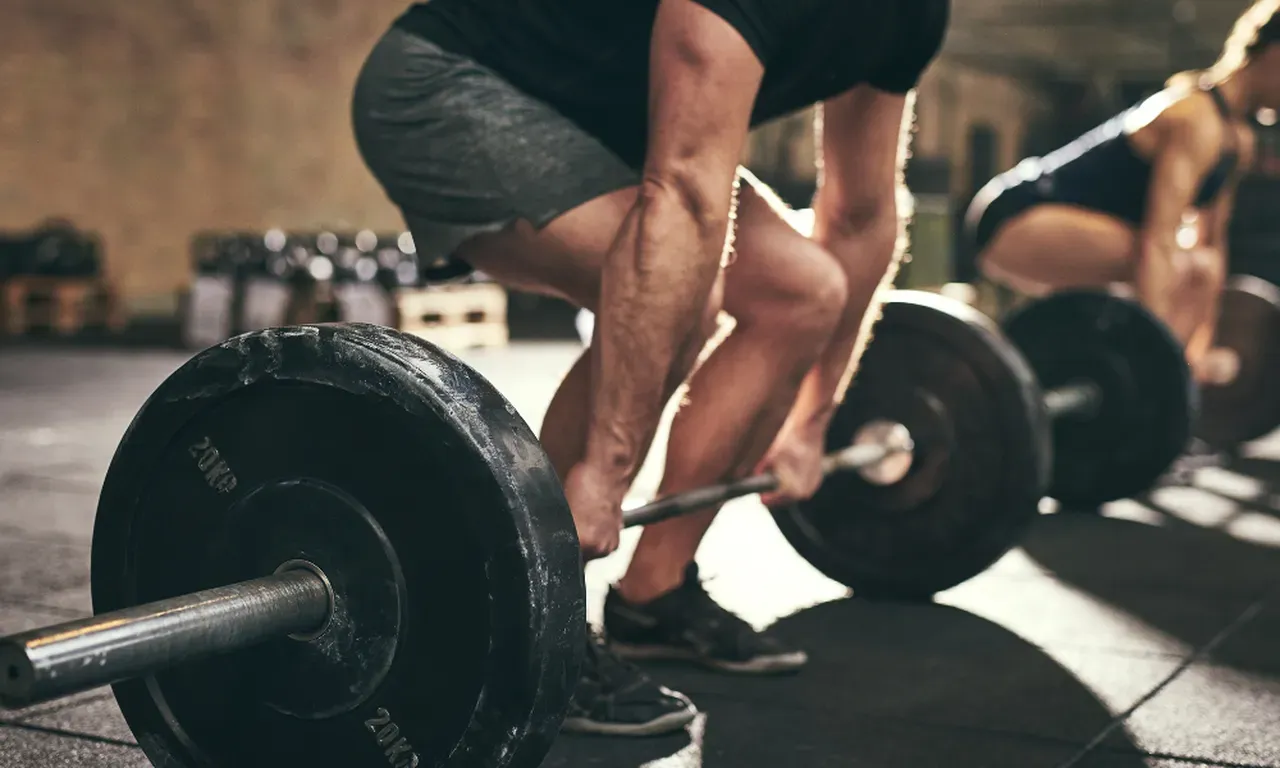
Yes, they can cause a temporary rise. Squats engage large muscle groups, and demanding resistance sessions produce an acute hormonal response.
However, there is not good evidence that doing squats specifically produces a sustained increase in resting testosterone over the long term. Squats are an excellent exercise for strength and muscle — that is reason enough to do them.
Does HIIT Increase Testosterone?
It can, temporarily. Moderate-to-high-intensity exercise may increase testosterone shortly after exercise, although the response varies by age, sex, training status, exercise duration and intensity.
Very prolonged or excessive high-intensity training without adequate recovery can have different hormonal effects — more is not automatically better.
Does Cardio Lower Testosterone?
Normal aerobic exercise does not automatically lower testosterone. Regular cardiovascular exercise has major health benefits, and moderate aerobic training is not generally a cause of testosterone deficiency.
Extremely high training volumes combined with inadequate caloric intake and insufficient recovery can alter reproductive hormones in some athletes — but that is a very different situation from ordinary cardio, and it is driven as much by energy availability as by the exercise itself.
What Exercises Are Worth Doing?
Judged on muscle, strength and health outcomes rather than hormone spikes:
Resistance Training
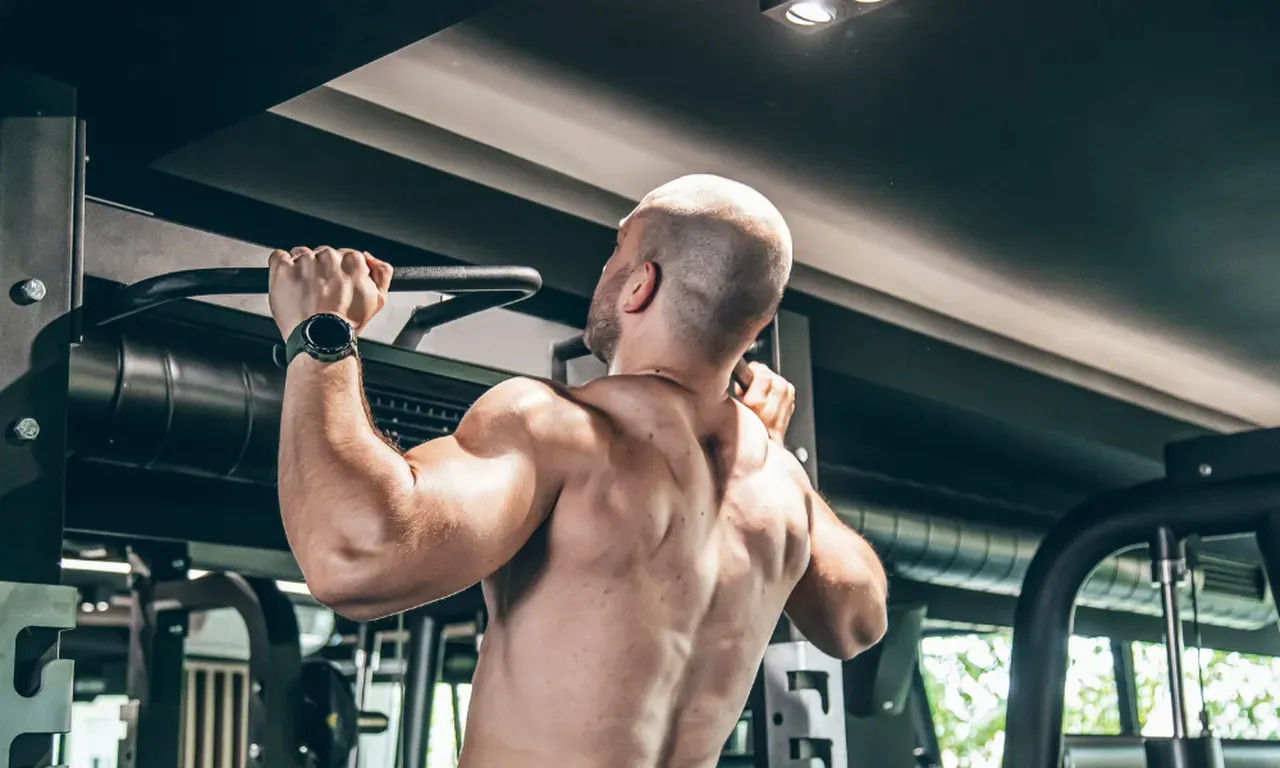
Compound movements such as squats, deadlifts, bench presses and pull-ups recruit multiple muscle groups and drive strength and muscle adaptation efficiently.
A practical structure is 3–5 sets of 6–12 reps, using heavier loads in the lower rep ranges, with progressive overload over time.
High-Intensity Interval Training
HIIT alternates short bursts of intense effort with brief recovery. It is time-efficient for cardiovascular fitness and body composition.
A common structure is 20–30 seconds of hard effort followed by 10–30 seconds of rest, repeated for 15–30 minutes.
Structuring Your Week
- Resistance training: 3–4 sessions per week, resting 1–2 minutes between sets.
- HIIT: 2–3 sessions per week, keeping rest periods short.
- Recovery: include genuine rest days — chronic overtraining with poor recovery can work against you.
What Actually Supports Healthy Testosterone
These have stronger evidence than any particular exercise:
- Adequate sleep. Aim for 7–9 hours. Short sleep is consistently associated with lower testosterone.
- Healthy body composition. Excess body fat is one of the more consistent modifiable factors associated with lower testosterone in men.
- Adequate energy intake. Prolonged severe caloric restriction can suppress reproductive hormones.
- Managing chronic stress, which affects sleep and hormonal regulation.
- Treating underlying conditions — particularly sleep apnoea, which is strongly associated with low testosterone and frequently undiagnosed.
The Bottom Line
Resistance training and HIIT can temporarily increase testosterone after exercise, and they provide major benefits for muscle, metabolic health and body composition. However, exercise does not consistently produce a sustained increase in resting testosterone in otherwise healthy men.
Train because it works — for strength, health, body composition and mood. If you have symptoms that suggest genuinely low testosterone, get properly evaluated rather than expecting a training programme to correct it.