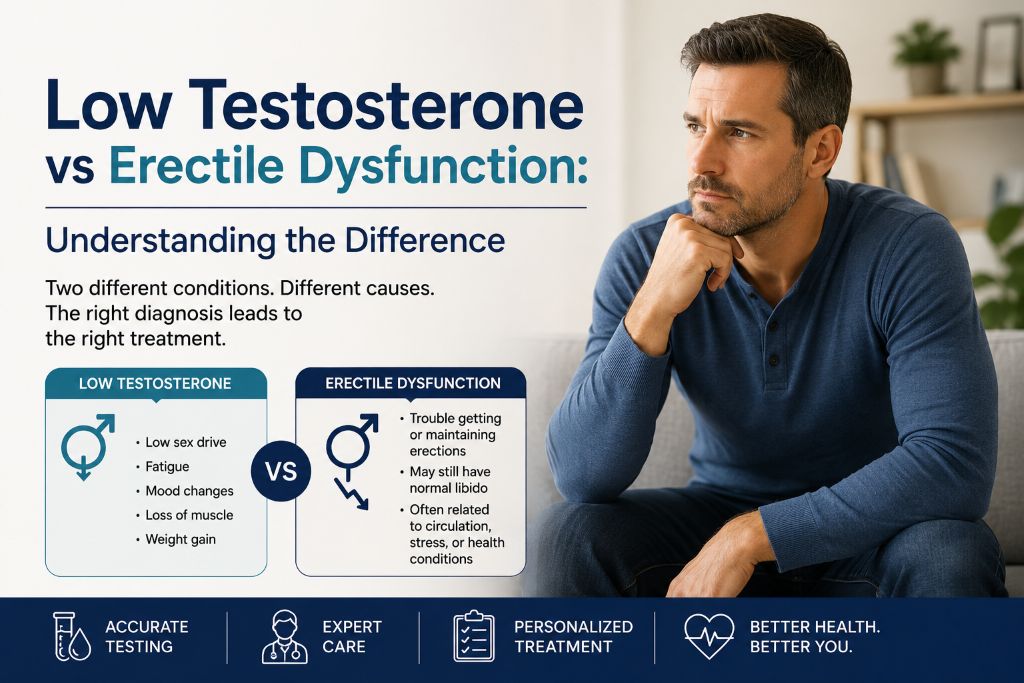

A vasectomy is a common surgical procedure aimed at male sterilization. During this outpatient procedure, the vas deferens—the tubes that carry sperm from the testicles to the urethra—are cut or blocked. This prevents sperm from mixing with semen during ejaculation, effectively preventing pregnancy. With over 500,000 procedures performed each year in the United States alone, understanding the implications of a vasectomy is essential for informed decision-making regarding male reproductive health.
Understanding Testosterone and Its Role
Testosterone is the primary male sex hormone, crucial for various physiological functions. It is produced in the Leydig cells of the testicles and is responsible for:
- Maintaining Muscle Mass: Testosterone helps build and preserve muscle tissue.
- Regulating Libido: It plays a significant role in sexual desire and function.
- Bone Density: Testosterone contributes to maintaining strong bones.
- Mood Regulation: Levels of testosterone can influence mood and overall well-being.
Understanding the production of testosterone is essential when discussing the effects of a vasectomy.
Does a Vasectomy Affect Testosterone Levels?
One of the most prevalent myths surrounding vasectomies is that the procedure lowers testosterone levels. This is not true. Research shows that testosterone levels remain stable post-procedure, effectively debunking this misconception. A study published in the Journal of Urology indicated that men undergoing vasectomy did not experience significant changes in serum testosterone levels compared to those who did not have the procedure.
The testicles continue to produce testosterone, which plays a vital role in various bodily functions, including maintaining muscle mass and sexual performance. The production of testosterone is regulated by the hypothalamus and pituitary gland in the brain, which sends signals to the testicles to produce the hormone. Since a vasectomy does not interfere with these signaling pathways, testosterone production remains unaffected.
Myths About Vasectomy and Testosterone
1. Vasectomy Causes Low Testosterone
The belief that a vasectomy reduces testosterone levels is unfounded. Many men fear that the procedure may impact their hormone balance, but numerous studies indicate otherwise. The continuity of testosterone production remains intact, assuring men that their hormonal health will not be compromised.
2. Vasectomy Leads to Muscle Loss
Another common misconception is that a vasectomy can lead to loss of muscle mass. Since testosterone production is unaffected, there is no evidence to suggest a direct link between vasectomy and muscle deterioration. In fact, some men may find that they have more energy and confidence after the procedure, allowing them to engage more in physical activities and maintain their fitness levels.
3. Vasectomy Affects Sexual Performance
Many men worry that a vasectomy may negatively impact their sexual performance. However, studies indicate that sexual satisfaction and performance often improve post-vasectomy due to reduced anxiety about unintended pregnancies. A vasectomy allows couples to enjoy a more relaxed and fulfilling sex life, knowing that they have taken steps to prevent pregnancy.
The Connection Between Vasectomy and Testosterone Production
Understanding how testosterone is produced can further clarify why a vasectomy does not affect hormone levels. Testosterone production occurs through a complex interaction of hormones, including:
- Gonadotropin-Releasing Hormone (GnRH): Produced by the hypothalamus, it stimulates the pituitary gland.
- Luteinizing Hormone (LH): Secreted by the pituitary gland, it signals the Leydig cells in the testicles to produce testosterone.
- Follicle-Stimulating Hormone (FSH): Also released by the pituitary gland, it plays a role in spermatogenesis but does not directly affect testosterone levels.
A vasectomy targets the vas deferens, not the testicular function or hormonal pathways. Therefore, testosterone production remains constant, allowing men to maintain their normal physiological functions post-procedure.
Conclusion
In summary, a vasectomy does not lower testosterone levels, cause muscle loss, or negatively affect sexual performance. Myths surrounding the procedure can create unnecessary anxiety and confusion for men considering this option for family planning. Understanding the facts and dispelling these misconceptions can empower men to make informed choices about their reproductive health.
If you’re contemplating a vasectomy or have concerns about testosterone levels, it’s essential to consult with a healthcare provider. They can provide personalized information based on your health history and address any concerns you may have.